
Grease Trap Installation
A bustling restaurant kitchen is a symphony of sizzling pans, clinking dishes, and chefs working in harmony. Yet, beneath the culinary artistry lies a hidden menace: grease. Fats, oils, and grease (FOG) generated during food preparation and cooking can wreak havoc on plumbing systems, leading to clogs, backups, and costly repairs. That's where professional and efficient grease traps come to the rescue.
Why You Need to Install a Grease Trap
Imagine a scenario where all the grease generated in your restaurant's kitchen flows freely down the drain and into the sewer system. Over time, it accumulates, congeals, and solidifies, leading to blockages, backups, and unpleasant odors. Beyond the immediate inconvenience, this can result in severe consequences. Local health authorities and environmental agencies mandate the installation and maintenance of grease traps in commercial kitchens. Failing to comply with these regulations can result in substantial fines and business disruptions. Clogged drains can disrupt kitchen operations, causing downtime, unhappy customers, and loss of revenue. The repair costs associated with grease-related plumbing issues can be substantial. Preventing these issues through proper grease trap installation can save you money in the long run.
Different Types of Grease Traps
Grease traps come in various types, each designed to suit different kitchen sizes and needs. Gravity grease traps are typically used in smaller establishments, such as cafes or small restaurants. They rely on the principle of gravity to separate grease from wastewater. As wastewater flows through the trap, the grease, being lighter than water, rises to the top, while the treated water exits through an outlet. Hydromechanical Grease Interceptors or HGI's are more efficient and have a higher capacity than gravity grease traps. They are suitable for medium-sized kitchens. Passive Grease Interceptors are often used in larger commercial kitchens, passive grease interceptors have a higher capacity and can handle a significant volume of wastewater and grease. Lastly, automatic Grease Removal Units are the most advanced grease traps, using technology to efficiently remove and store grease. AGUs are often used in high-volume commercial kitchens and are known for their reliability and automation.
The Grease Trap Installation Process
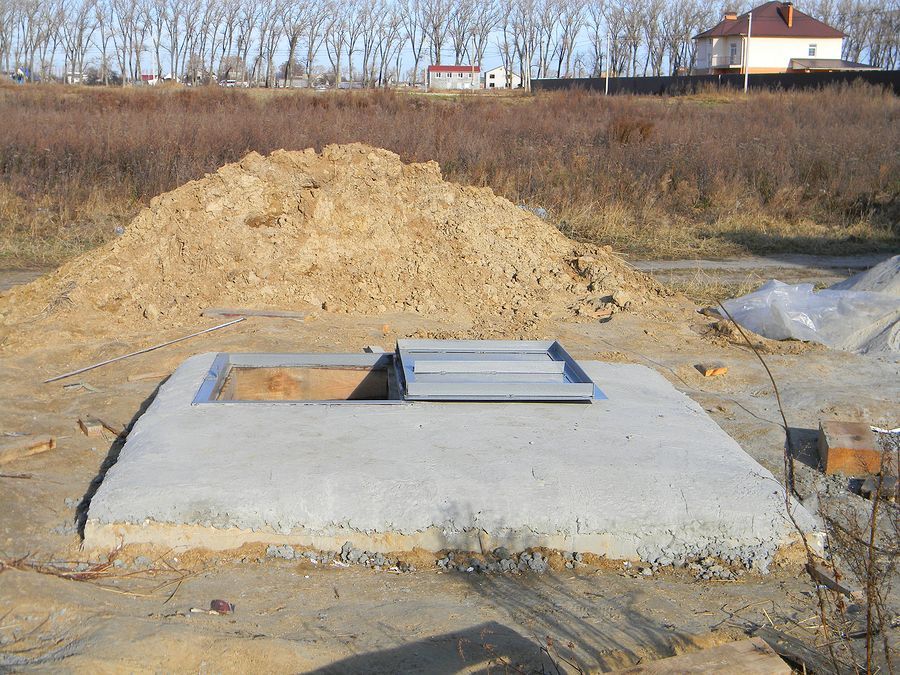
Grease trap installation is a complex and precise procedure that should be carried out by experienced professionals. First, a thorough assessment of your kitchen's layout, size, and specific needs is conducted. The type and size of the grease trap required will be determined during this phase. If needed, the installation site is excavated to accommodate the grease trap. Proper alignment and leveling are crucial to ensure the trap functions correctly. Your grease trap is positioned in the site, ensuring that it is level and secure. The grease trap is connected to the kitchen's plumbing system, diverting wastewater through the trap before it enters the sewer line. Proper ventilation is essential to ensure the grease trap functions optimally. Before finalizing the installation, the system is thoroughly tested to ensure it functions correctly.
Grease Trap Installation Services You Can Trust
Regular maintenance is crucial to ensure your grease trap operates efficiently and remains compliant with local regulations. Grease trap installation is a vital investment for any commercial kitchen. It not only prevents plumbing issues, health code violations, and environmental harm but also ensures the smooth and cost-effective operation of your restaurant. If you're considering grease trap installation or need maintenance for an existing system, don't hesitate to contact us at San Antonio's Grease Trap Cleaning Experts.